2 min read
L'IA dans les organismes à but non lucratif commence par les données: voici par où commencer
Nous ne pouvons pas prédire exactement où sera le secteur dans cinq ans, mais une chose est sûre : à un moment donné, vos électeurs et votre...
Official Partners


We believe powerful tools shouldn't be complicated. SimpliPhi helps organizations work smarter, move faster, and drive real impact—simplifying the hard stuff so you can focus on what you do best.
2 min read
We can’t predict exactly where the sector will be in five years, but one thing is certain: at some point, your constituents and staff will be interacting with AI: whether it’s an AI agent, a chatbot, or automated workflows. Now is the time to think about how your organization collects and organizes data.
The bonus? Getting serious about your data today will not only prepare you for AI but will also improve your overall strategy, personalization, and outreach in fundraising initiatives.
Our partner, Doing Good Digital, has been piloting a new service: building AI agent workflows to help clients improve processes like grant writing, cross-departmental reporting, and volunteer intake.
1. Consider a Data Warehouse strategy
If your organization manages constituents and donors across multiple systems, solutions as Charity Automator Data Warehouse can centralize and unify all activities related to a single constituent into one streamlined view. This ensures cleaner, more accurate data for both reporting and AI readiness.
2. Organize your data thoughtfully
Many nonprofits already have donor and client data in CRMs like Blackbaud’s Raiser’s Edge NXT or Salesforce. But there’s often a lot of important data (event registrations, volunteer intake forms, grant applications, process documentation) living outside of those systems. Some habits to consider:

3. Create mission documentation and process manuals
Clear, step-by-step documentation for processes like volunteer onboarding, food pantry processes, or grant applications will be invaluable when training AI agents or chatbots to support your team.
So far, Doing Good Digital has been building solutions using tools like N8N, Jotform, and integrating them with Google Drive and ChatGPT. From their experience, the building is actually the easy part.
The real magic happens when clients have taken steps to centralize and clean their data. With the right foundation, they can build faster and deploy AI agents and chatbots that deliver accurate, actionable insights and create better experiences for staff and constituents alike.
-1.png)
Author: This is a guest post by Paul St Onge, CEO, Doing Good Digital. Doing Good Digital is a digital agency for nonprofits that specializes in digital fundraising, acquisition, retention and donor journeys. They are experts in nonprofit technology like Luminate Online and Engaging Networks.

2 min read
Nous ne pouvons pas prédire exactement où sera le secteur dans cinq ans, mais une chose est sûre : à un moment donné, vos électeurs et votre...
3 min read
 Evgeniya Salomatina : Apr 29, 2026 2:49:04 PM
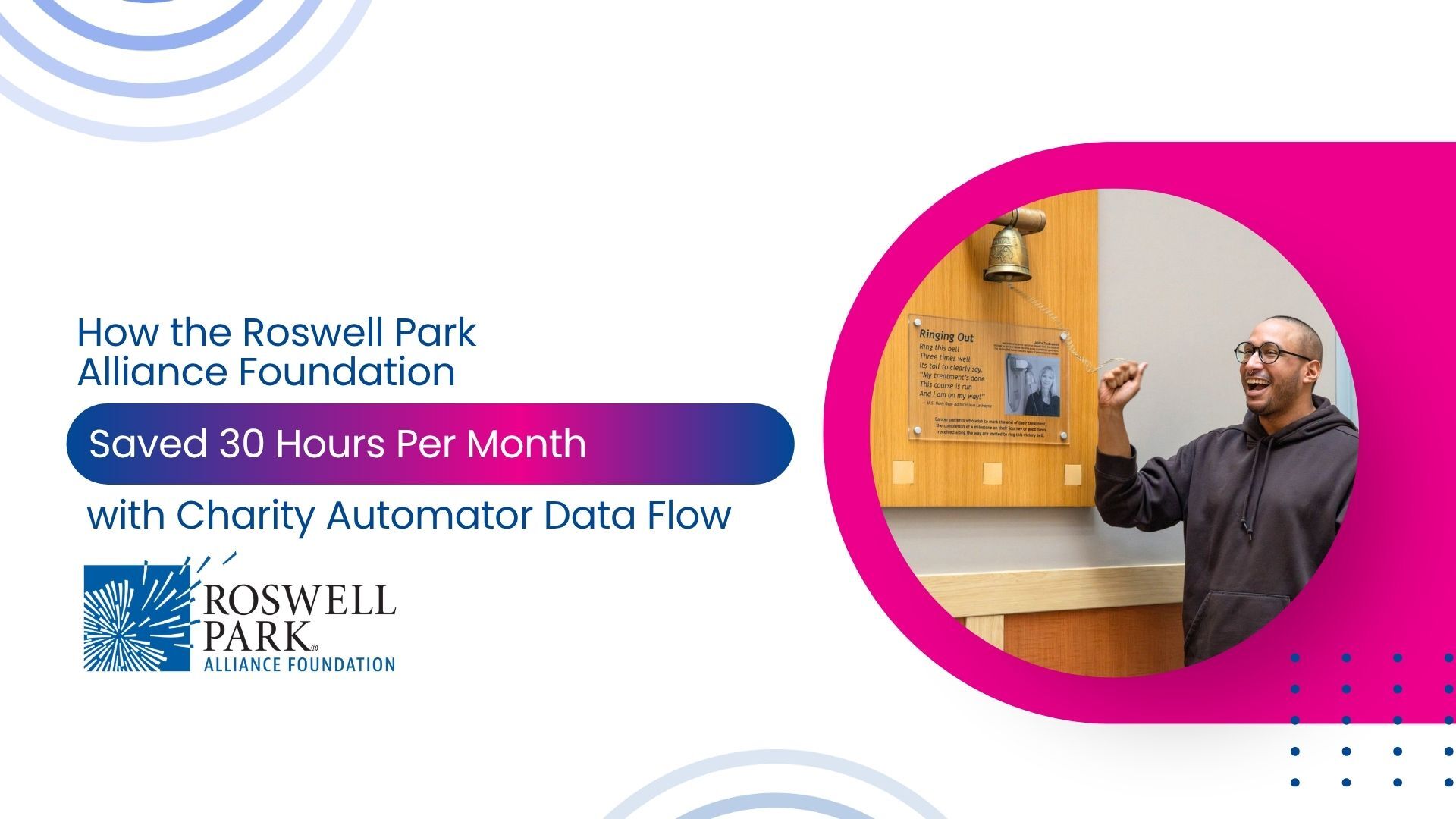
The Roswell Park Alliance Foundation is a not-for-profit organization that manages all donations made to Roswell Park Comprehensive Cancer Center....

3 min read
National Change of Address (NCOA) is a secure database service maintained by postal authorities (like Canada Post and the U.S. Postal Service) that...

3 min read
This new in-app feature brings real-time communication directly into your AmpliPhi workspace, so fundraising, finance, operations, and data teams can...

2 min read
Whether you’re looking for a seasonal grant or long-term funding, these are three key principles to help you focus your efforts and find funding that...

2 min read
Technology is transforming how nonprofits engage with donors, manage fundraising, and measure impact. Automation tools, AI, and data-driven platforms...

4 min read
It is called Prospect Status History Table and it provides an accurate, automated record of every status change from the moment the feature is...

